



The world of SEO is changing at breakneck speed. For years, we’ve focused on keywords, links, and technical wizardry. But with the rollout of Google’s AI Overview (part of the new Search Generative Experience, or SGE), the rules of the game are shifting. Many business owners and marketers are worried about declining click-through rates and losing their hard-won organic traffic. The good news? This isn’t the end of SEO; it’s an opportunity. The key to thriving is a human-centric SEO strategy.
This guide will walk you through the new search reality and provide an actionable roadmap for adapting your content to not only survive, but to flourish in the age of AI.
The New Search Reality: What is AI Overview and Why It Matters
Google’s AI Overview is a paradigm shift. Unlike a traditional featured snippet that pulls from a single source, AI Overview uses artificial intelligence to synthesize information from multiple authoritative websites, providing a comprehensive, summarized answer directly at the top of the SERP.
For a user searching for a complex topic like “how to start investing,” the AI Overview might combine information from various financial websites and expert advisory firms into one coherent summary. This convenience for the user has a clear implication for content creators: if a user’s question is fully answered by the AI, they may not feel the need to click through to a single webpage. This can lead to decreased click-through rates (CTR) for traditional organic results.
The strategic goal is no longer just to rank, but to be a trusted source that the AI chooses to reference. To achieve this, your content must be structured, authoritative, and provide a comprehensive answer that is easy for the AI to “read” and synthesize.
A Human-First Approach: The E-E-A-T Imperative
In the face of an AI-driven search, human authenticity has become your most powerful asset. Google has made it clear that content quality is the number one priority. Their March 2024 update specifically targeted spammy, unhelpful, and purely AI-written content, signaling a strong preference for “human-first” material.
This is where the E-E-A-T framework becomes more important than ever. E-E-A-T stands for Expertise, Experience, Authority, and Trustworthiness. When it comes to topics that impact a user’s health or finances, such as financial or legal advice, Google places an even higher emphasis on these factors.
- Expertise: Does the content demonstrate a deep understanding of the subject?
- Experience: Is the content backed by real, first-hand experience? This is a crucial differentiator from generic, AI-generated content.
- Authority: Is the website and author considered a credible source within the industry?
- Trustworthiness: Is the content accurate, reliable, and transparent?
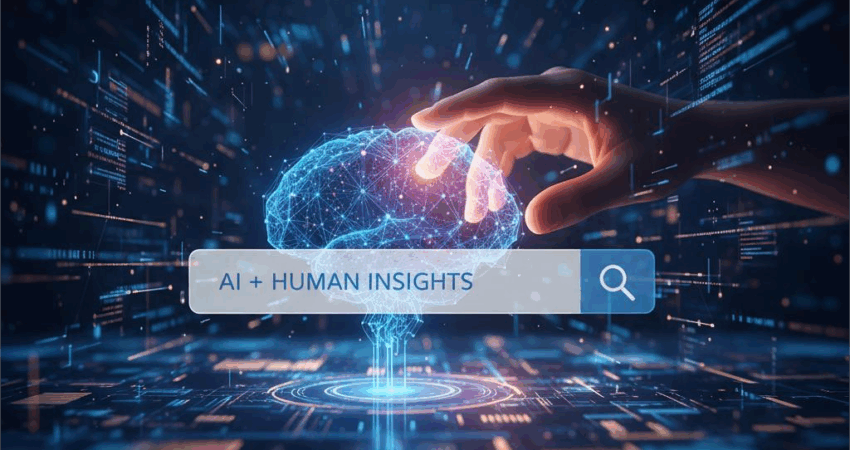
While AI tools can be invaluable for speeding up the content creation process—for example, by helping to identify content gaps or emerging trends —the human element is non-negotiable. An expert must brief the content, edit it, and review it to infuse it with genuine experience and a unique perspective. The focus is not on generating a high word count, but on creating clear, concise, and valuable content that resonates with a real audience.
The Secret Weapon: Harnessing Long-Tail Keywords in the Age of AI
Competing for a broad, high-volume keyword like “digital marketing” is an uphill battle against giants. In the AI-driven search world, this approach is even less effective, as many broad queries are now answered directly in the AI Overview. The strategic solution is to pivot toward long-tail keywords.
Long-tail keywords are specific, multi-word phrases that users type when they have a clear intent. For example, instead of searching for “SEO,” a potential client might search for “how does AI content affect my local business SEO?”. These queries have lower search volume but are far less competitive and have a higher conversion rate because the user is actively looking for a specific solution.
Furthermore, long-tail keywords are the lifeblood of voice search, which is growing in popularity thanks to smart assistants. People naturally use longer, conversational, and question-based phrases when they speak their searches. By optimizing for these phrases, a business can capture a more targeted audience.
More Than Words: The Crucial Role of Visual and Technical SEO
While a human-centric content strategy is paramount, it must be supported by a robust technical and visual foundation. The user experience (UX) is a key ranking factor, and search engines now evaluate sites based on metrics like page speed, mobile-friendliness, and Core Web Vitals.
Visual content, such as images, infographics, and videos, plays a critical role in both user engagement and SEO performance. These elements can improve dwell time and click-through rates. The key is to optimize them correctly.
- Image Optimization: Whether using stock photos or unique AI-generated visuals, every image must be optimized for search. This includes using a descriptive filename (e.g.,
human-centric-seo-strategy.webp), a keyword-rich alt text, and compressing the file to ensure fast loading times. While AI-generated images do not incur a direct penalty, they should be used appropriately to avoid making a site feel generic or inauthentic. - Structured Data and Schema Markup: Technical elements like structured data help search algorithms understand your content and its relationships to other entities on the page. This is a crucial step in making your content machine-readable for AI Overview.
Putting It All Together: A Step-by-Step Action Plan for Your Business
Navigating the AI-driven search landscape may seem daunting, but a systematic, human-first approach is the most effective way forward.
1. Conduct a Content Audit: Evaluate your existing content. Update outdated articles with fresh insights and new information.
2. Focus on E-E-A-T: Ensure your content is authored by a credible person, includes first-hand experience, and builds trust. Showcase your team’s specialized knowledge and credentials.
3. Research and Target Long-Tail Keywords: Use tools and “People Also Ask” sections to find highly specific, question-based queries that your audience is searching for.
4. Structure Your Content for Clarity: Use clear headings, subheadings, and bullet points to make your content scannable for both users and AI. Include a comprehensive FAQ section to directly answer common questions.
5. Optimize Your Visuals: Use high-quality, unique images and ensure they are properly optimized with descriptive filenames and alt text.
The new search landscape is not about abandoning human expertise for AI. It’s about using AI as a tool to amplify your unique value. The future of SEO is not just about ranking; it’s about building an authentic, authoritative presence that serves both the user and the machine.
If you are a business owner or marketer who wants to implement this human-centric SEO strategy but lacks the time or in-house expertise, partnering with a professional agency is a powerful way to ensure your brand is positioned for long-term success. Contact us today for a consultation.